
Muted Email Design Guide
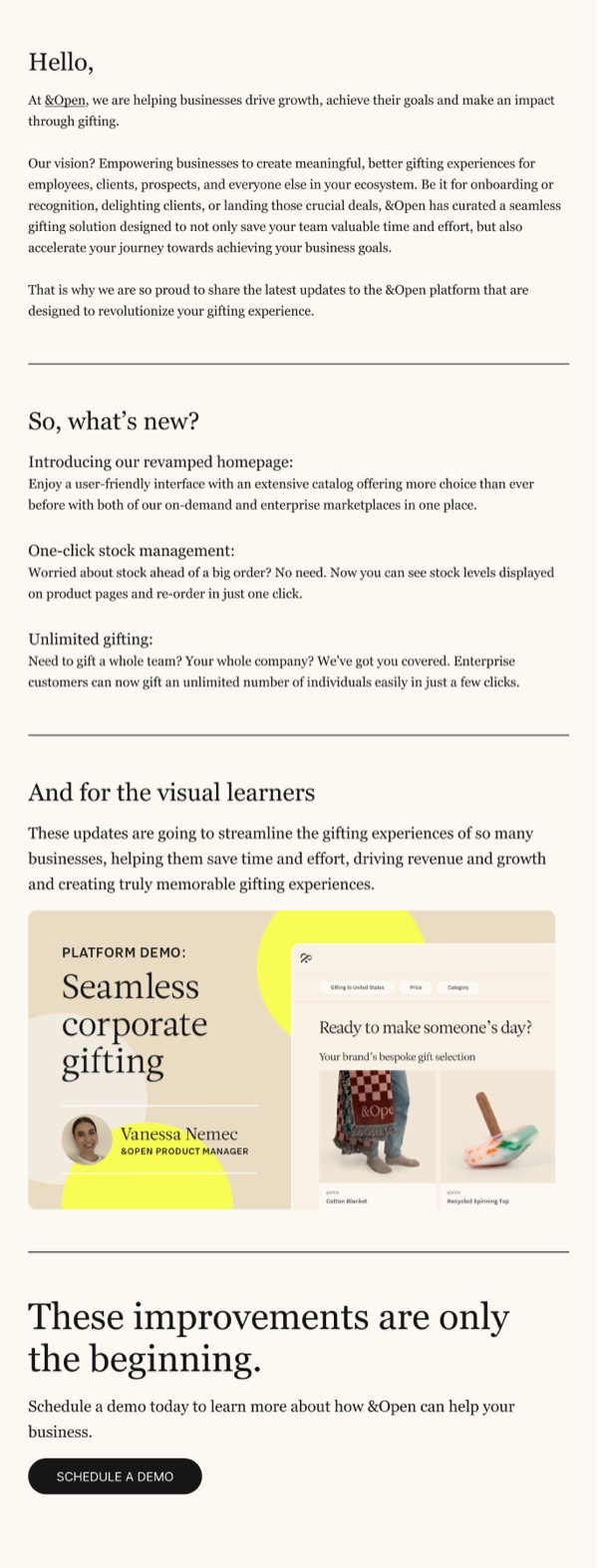
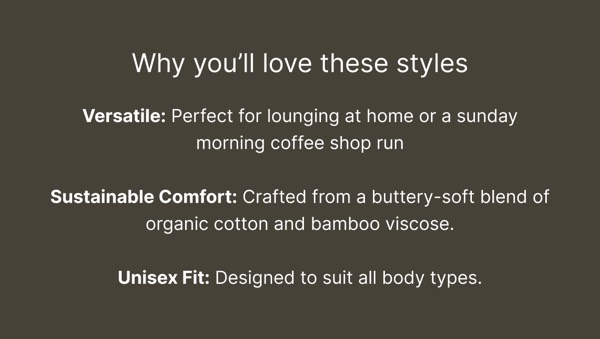
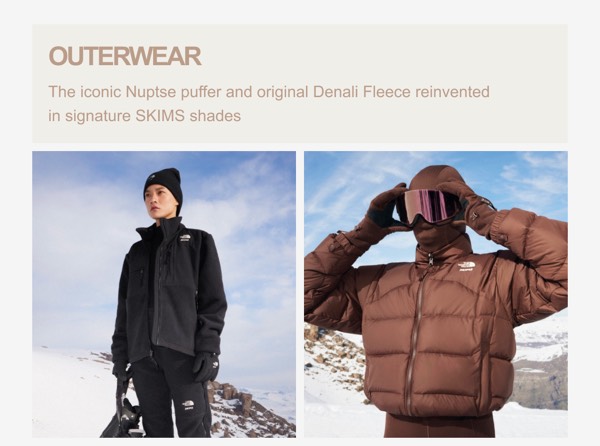
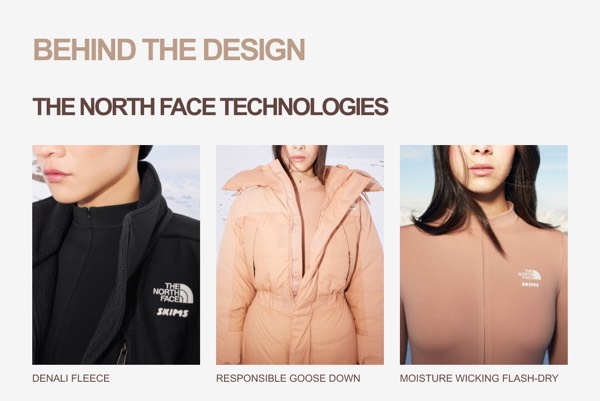
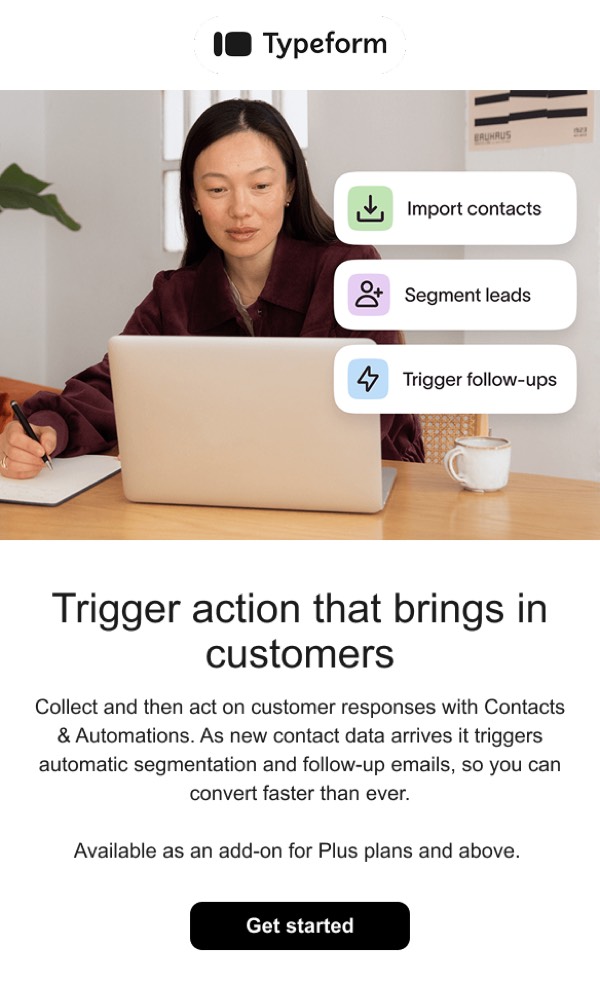
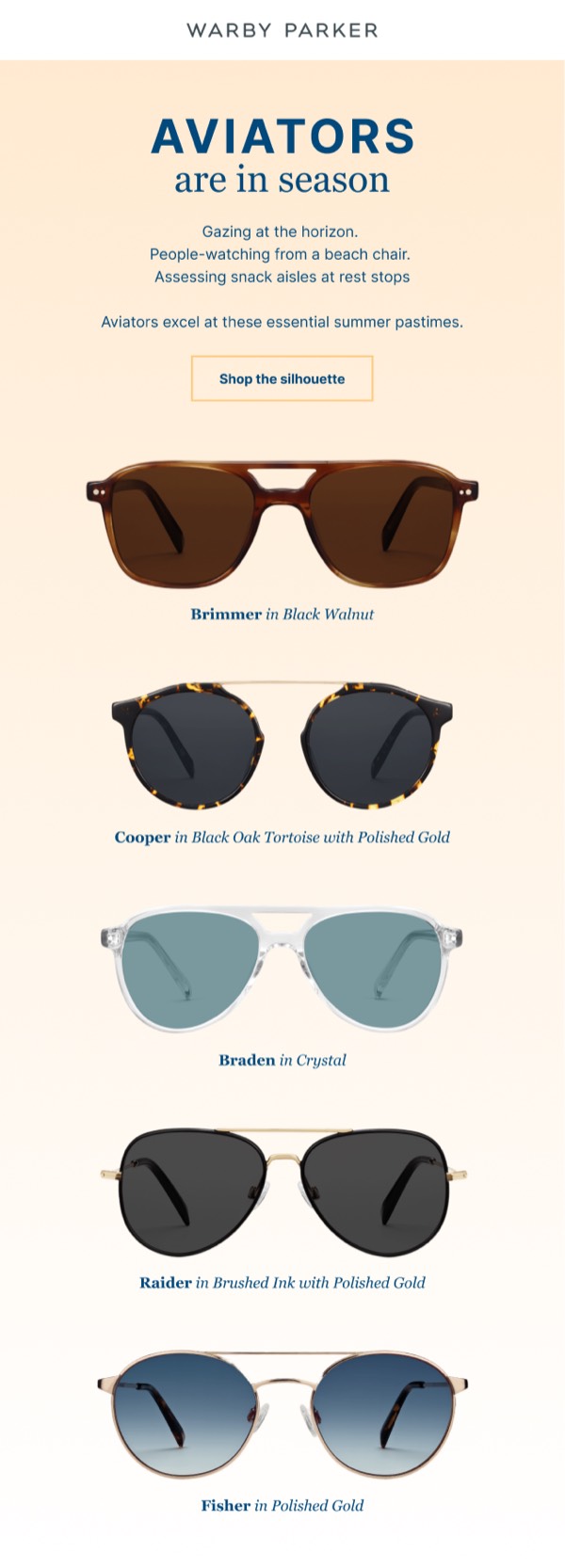
Muted email components use desaturated colors and soft palettes to create sophisticated, elegant designs that feel refined and premium. This approach works particularly well for luxury brands, editorial content, and professional communications.
Essential Elements
- Desaturated colors: Soft, toned-down hues rather than vibrant shades
- Subtle contrasts: Gentle color relationships that feel harmonious
- Refined typography: Clean, elegant fonts and hierarchy
- Balanced composition: Thoughtful layouts with breathing room
Design Principles
Sophistication and Elegance
Muted designs convey refinement:
- Use colors with reduced saturation (pastel or grayed tones)
- Embrace subtle color transitions and gradients
- Choose serif or elegant sans-serif typefaces
- Maintain generous white space throughout
- Focus on content quality over flashy design
Color Harmony
Muted palettes should feel cohesive:
- Use analogous colors for smooth transitions
- Keep color temperatures consistent (all warm or all cool)
- Add subtle depth with tonal variations
- Use neutral grays as foundation colors
- Limit accent colors to maintain sophistication
Muted Color Approaches
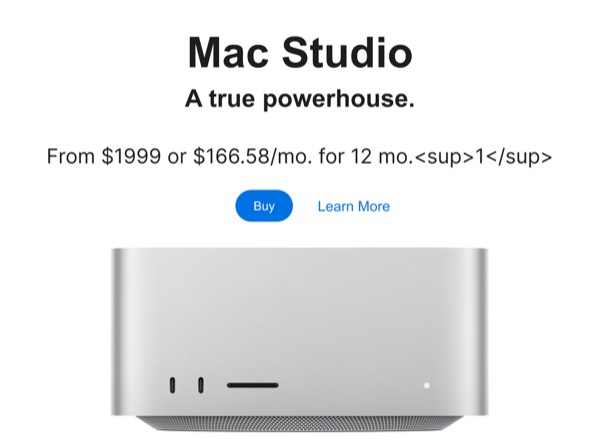
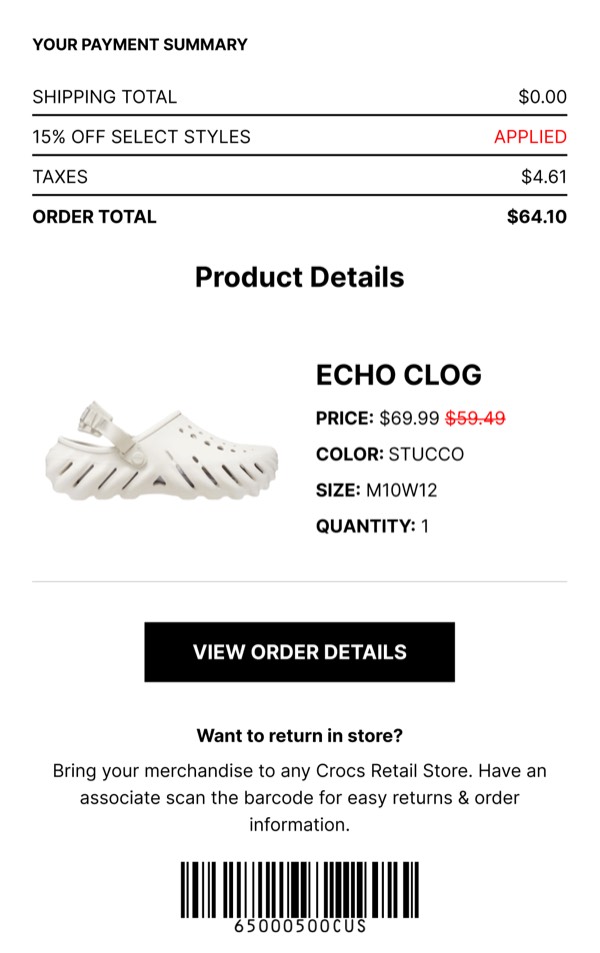
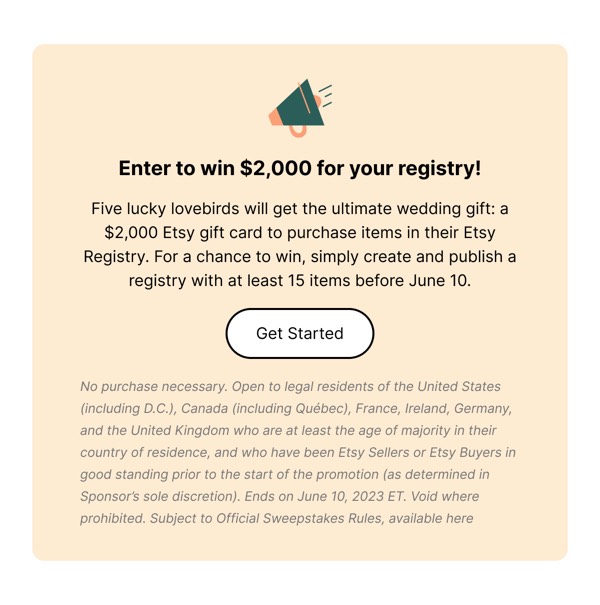
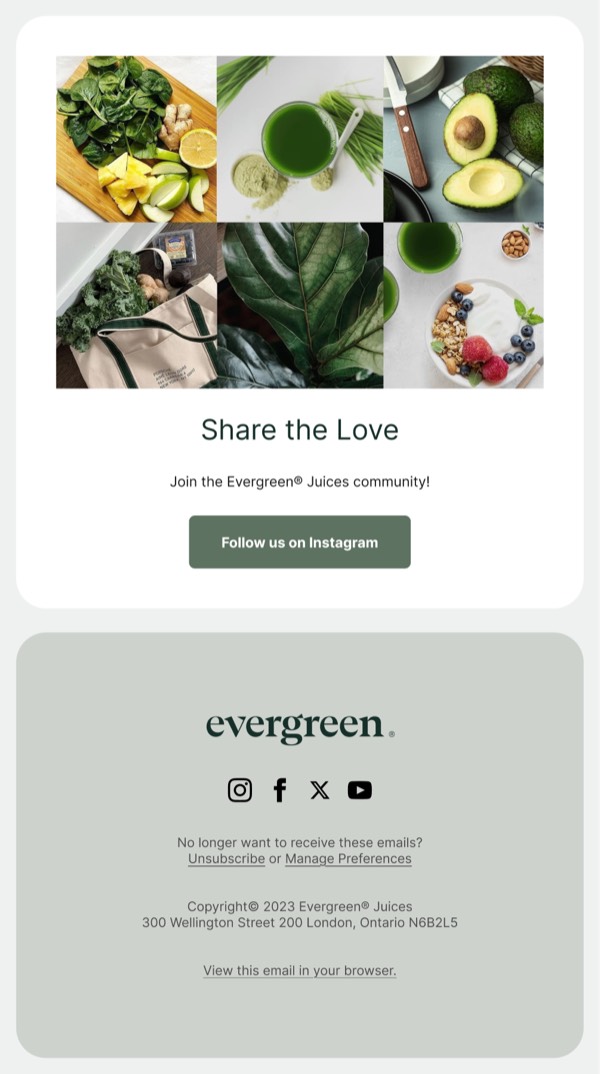
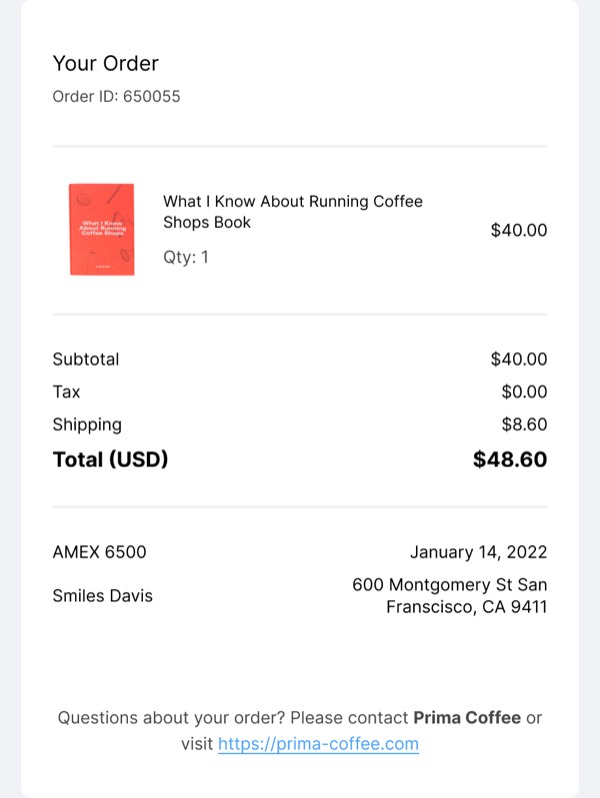
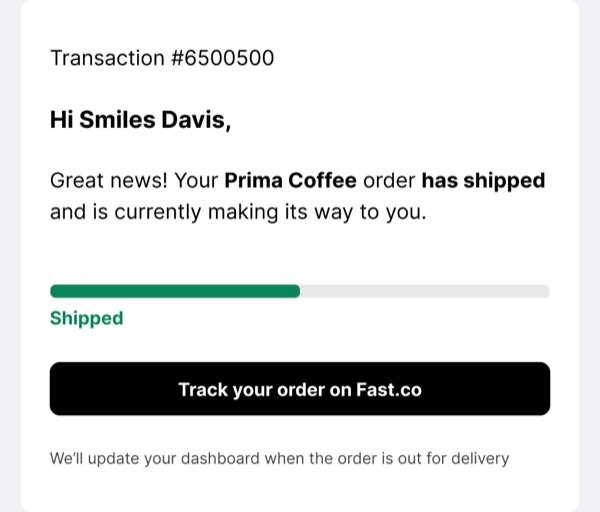
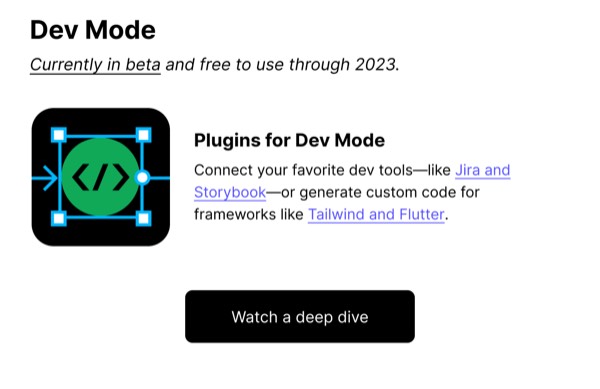
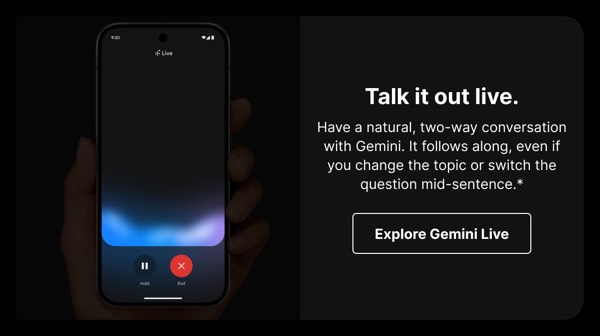
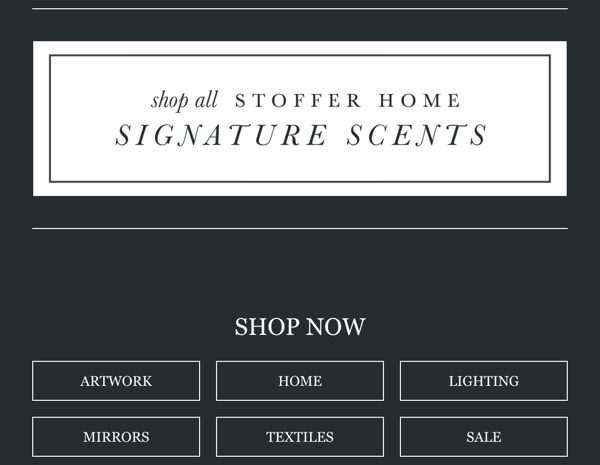
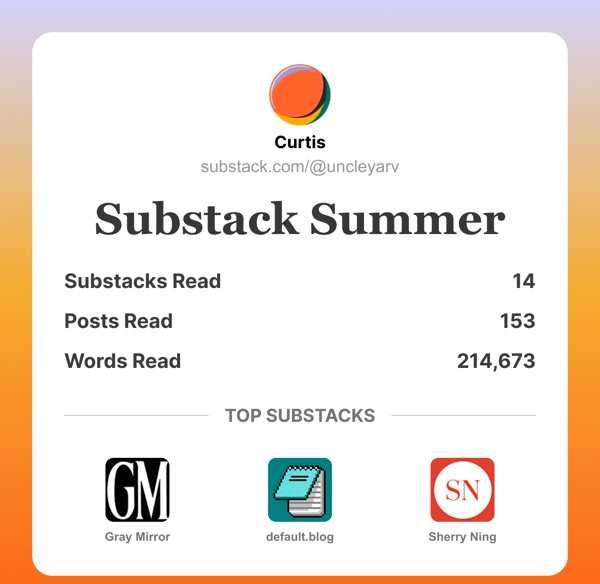
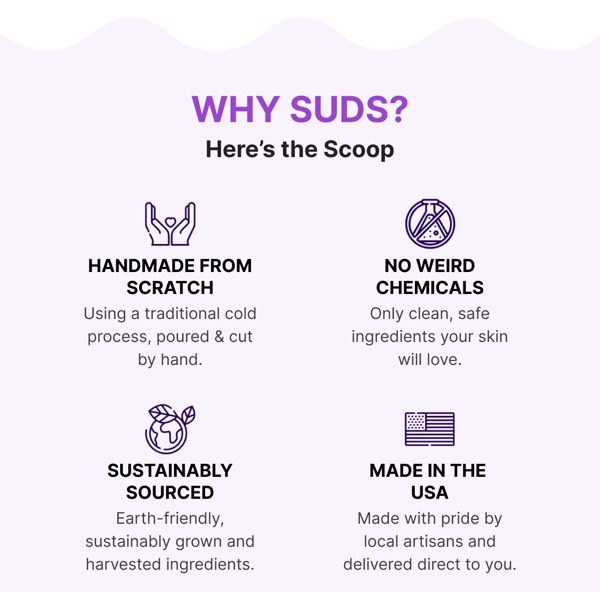
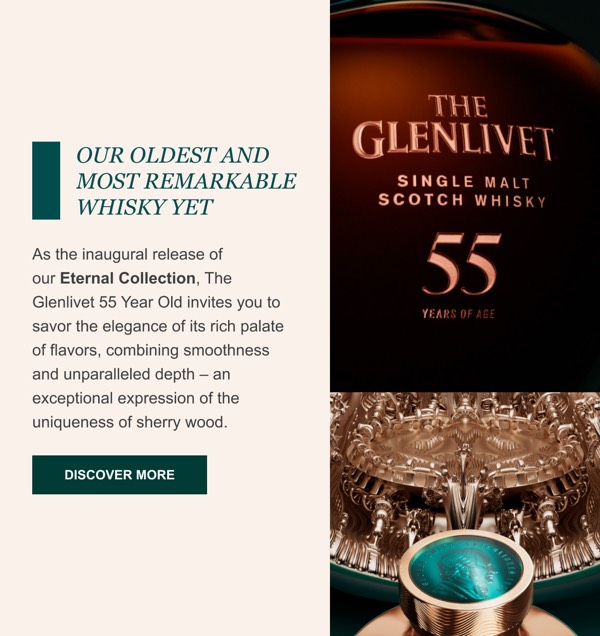
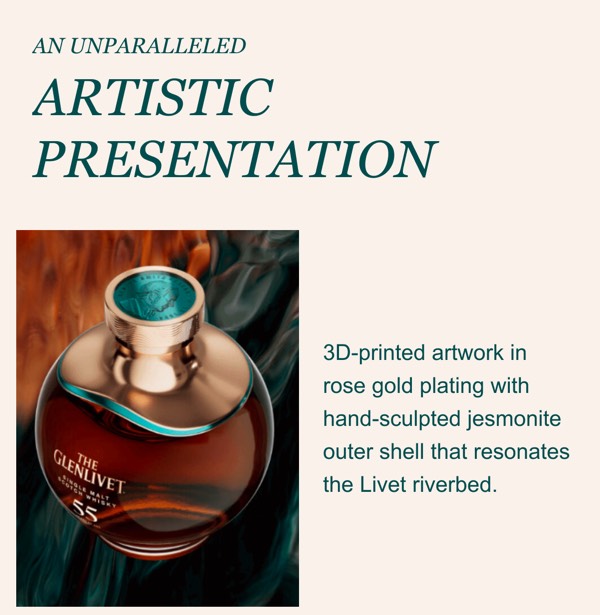
Browse the components above to see different approaches:
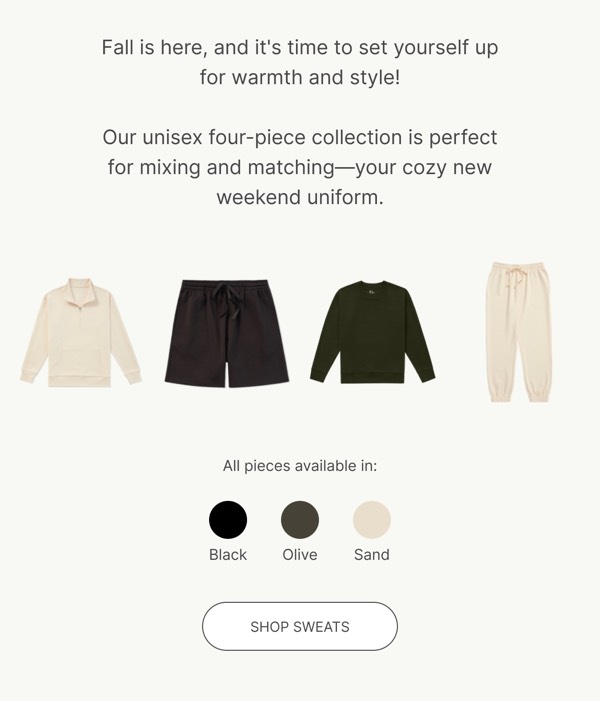
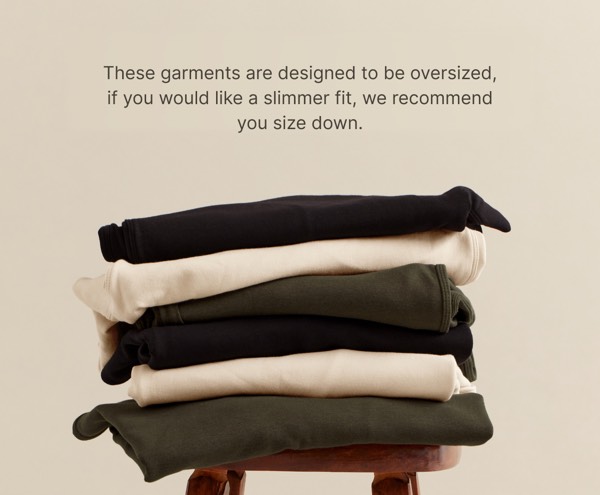
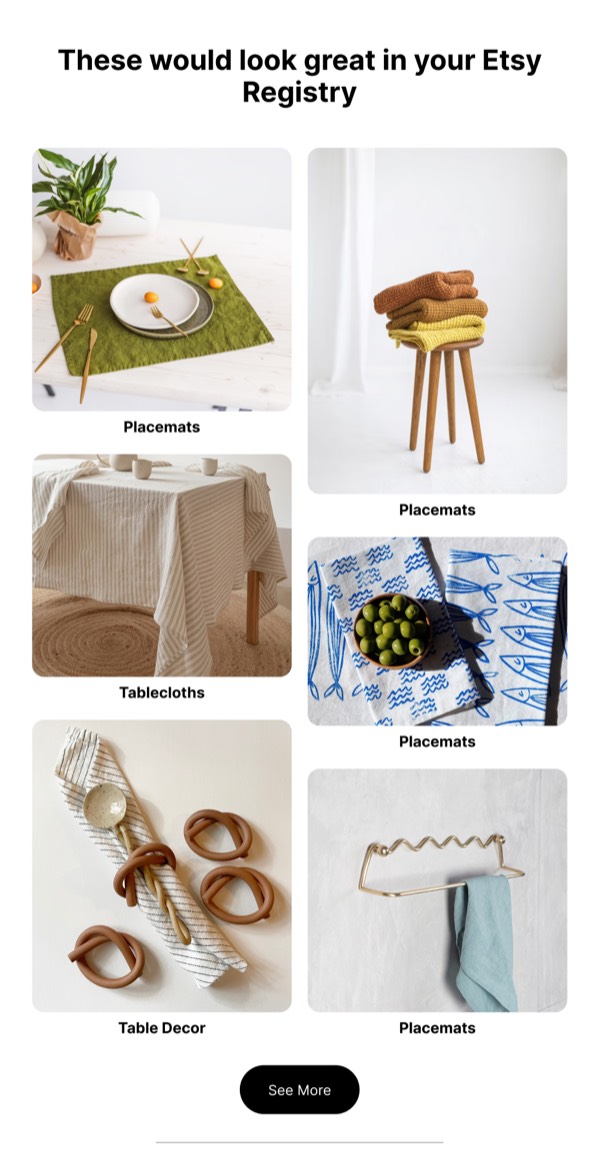
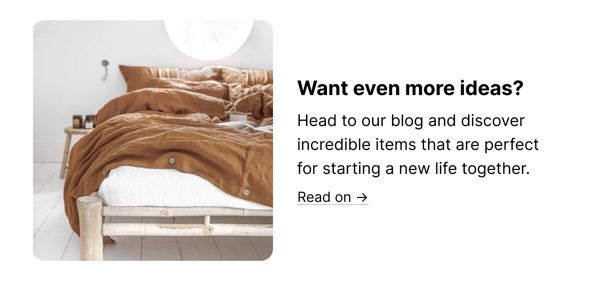
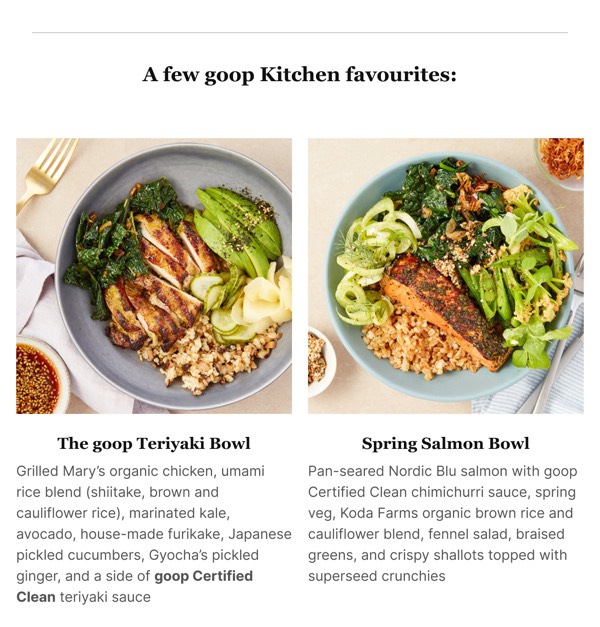
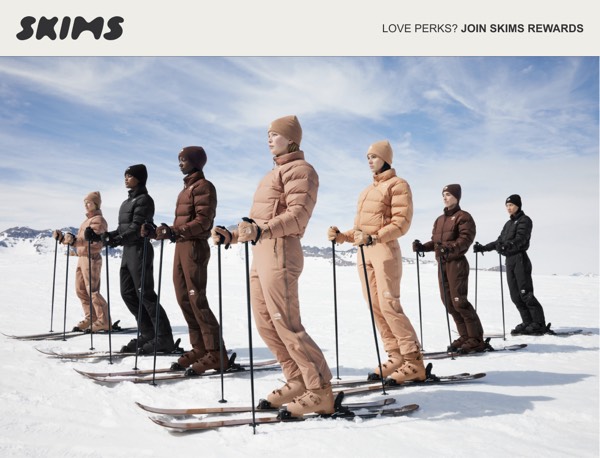
- Earthy tones: Terracotta, sage, clay, ochre
- Soft pastels: Blush pink, powder blue, mint, lavender
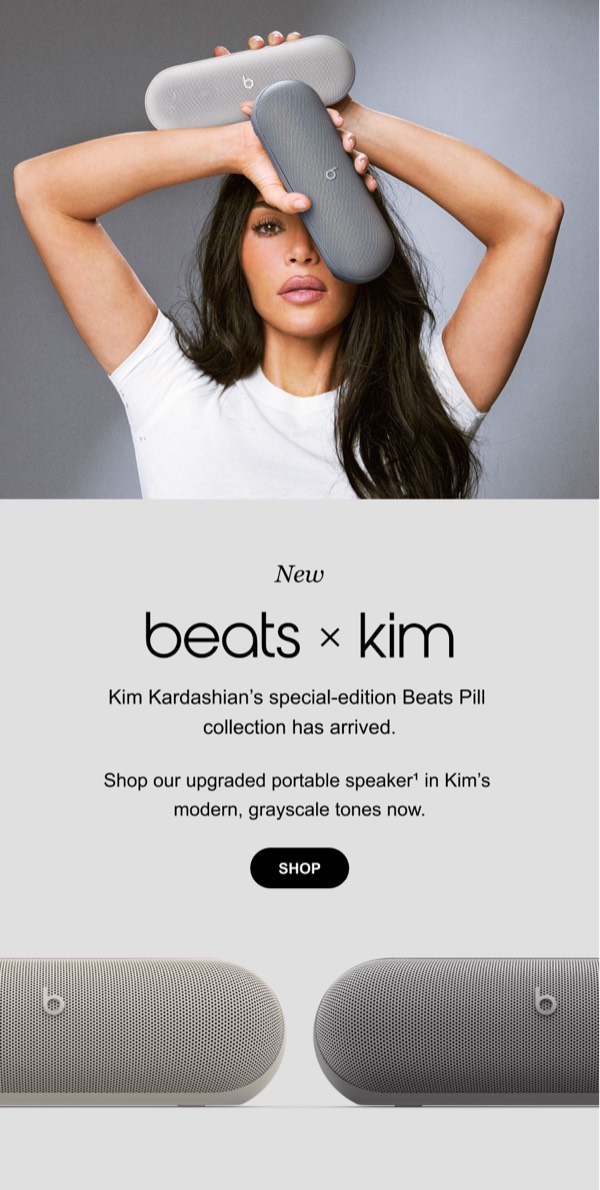
- Neutral palette: Grays, beiges, taupes, creams
- Muted jewel tones: Dusty rose, sage green, slate blue
- Monochromatic muted: Single hue in various toned-down shades
- Vintage-inspired: Desaturated retro color combinations
- Scandinavian: Whites, grays, and muted natural tones
Muted Color Palettes
Earthy and Natural:
- Terracotta (#D4A088) + Sage (#9CAF88) + Cream (#F5F1E8)
- Clay (#C9ADA7) + Olive (#A8B5A0) + Sand (#F2E8CF)
- Ochre (#D9B779) + Forest (#6B8E6B) + Ivory (#F7F4F0)
Soft and Subtle:
- Blush (#E8C4C4) + Powder Blue (#C4D5E8) + Pearl (#F5F5F0)
- Mauve (#D4C5D8) + Seafoam (#C5D8D4) + Linen (#F0EDE5)
- Dusty Rose (#D8B4B4) + Sage Gray (#B4C4B4) + Alabaster (#F5F2ED)
Professional Muted:
- Slate (#8A9BA8) + Taupe (#A39B8B) + Warm White (#F8F6F3)
- Navy Gray (#6B7D8F) + Wheat (#C4B5A0) + Eggshell (#F5F3F0)
- Charcoal (#6E6E6E) + Stone (#B8AFA3) + Parchment (#F7F5F2)
Best Practices
Typography:
- Use sophisticated serif fonts for headings (Playfair, Crimson)
- Elegant sans-serifs for body (Avenir, Proxima Nova)
- Subtle weight variations for hierarchy
- Generous line spacing for elegance
Imagery:
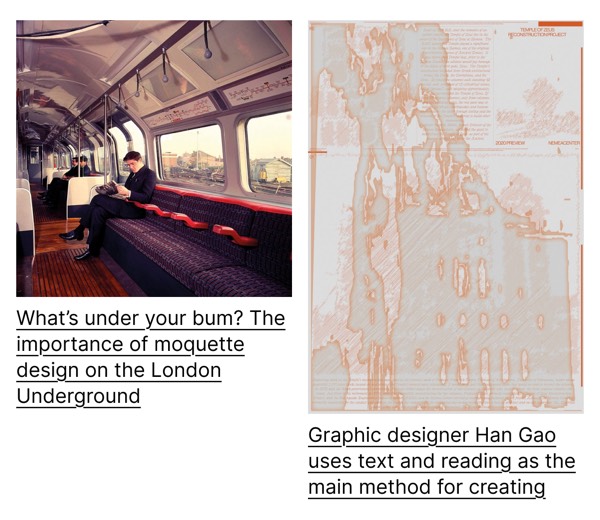
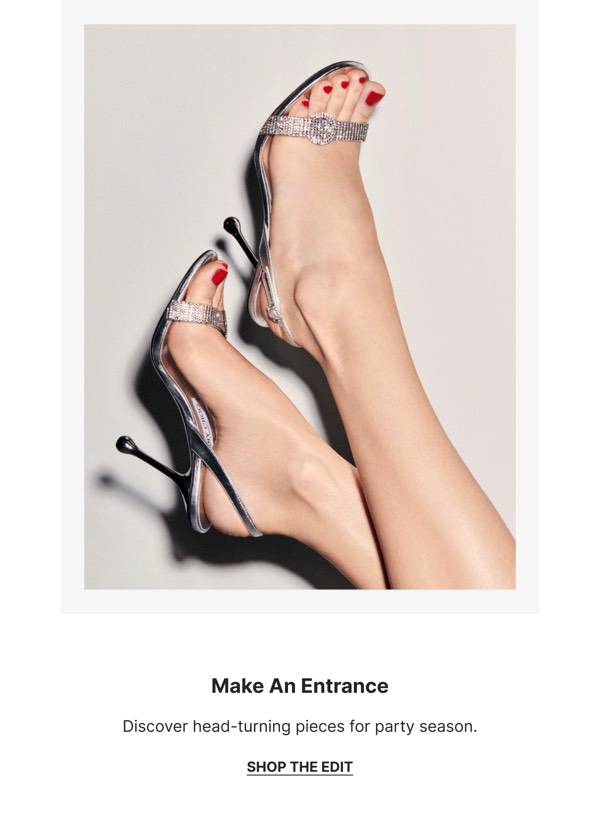
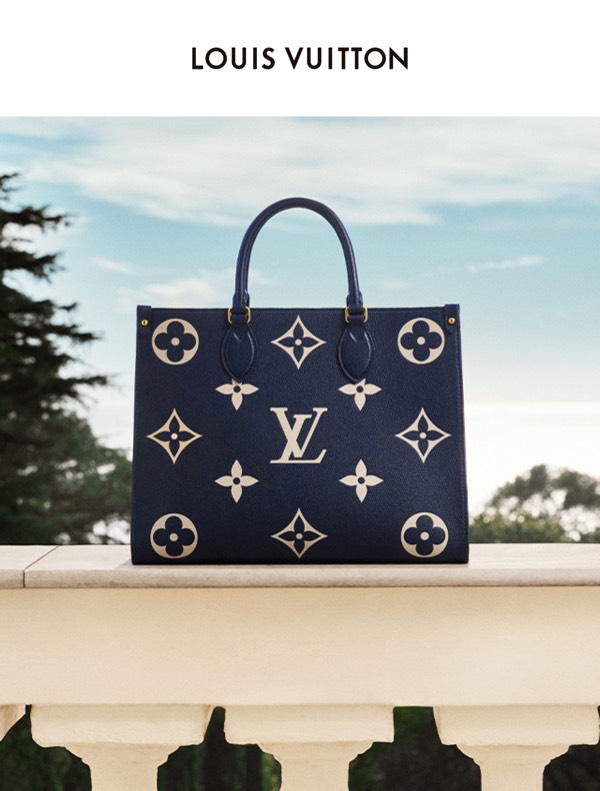
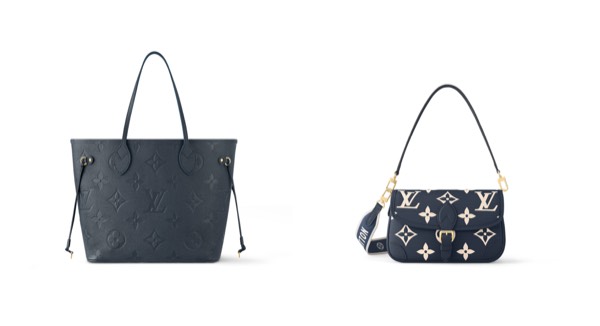
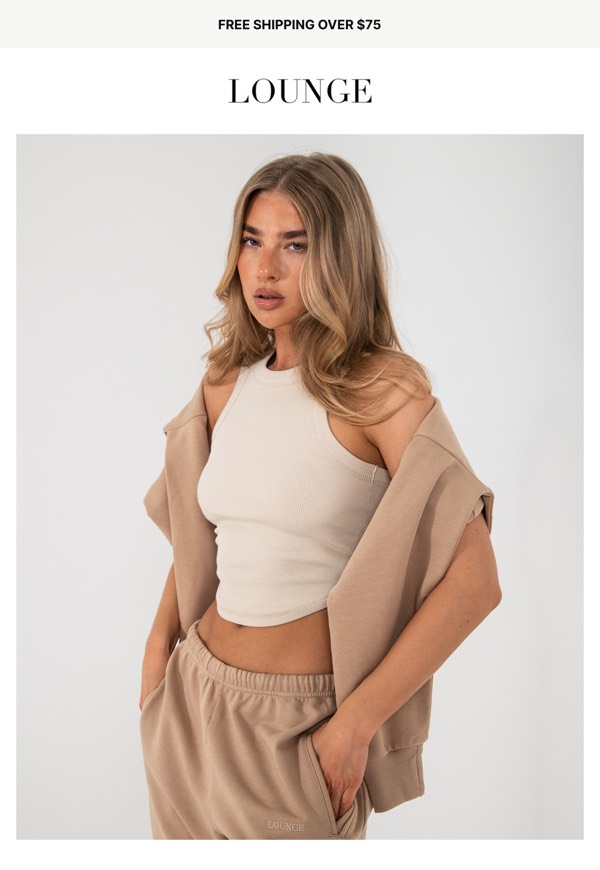
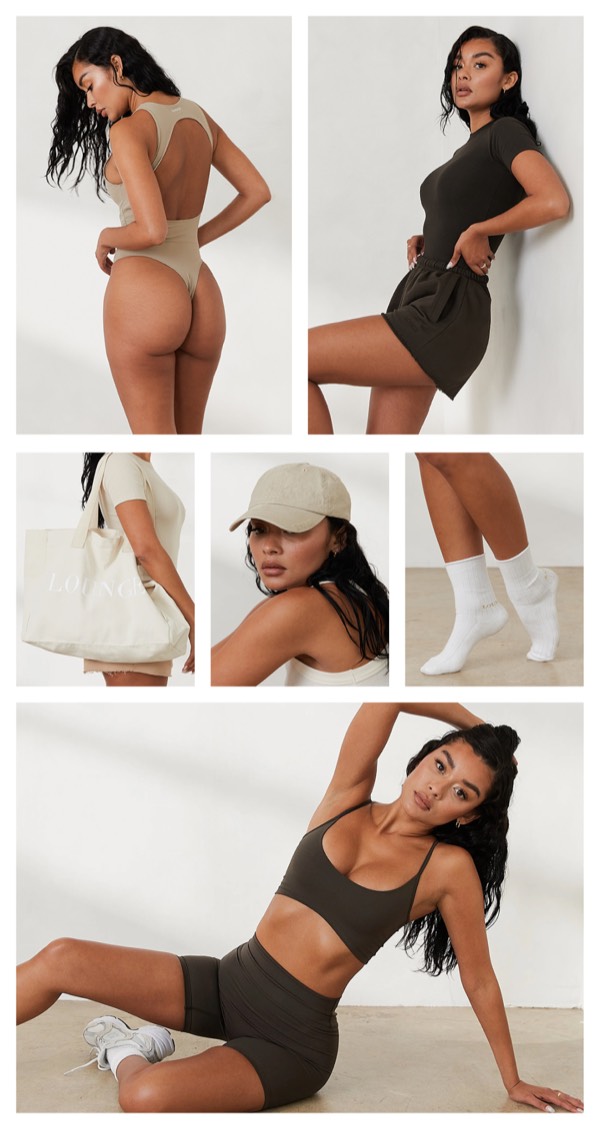
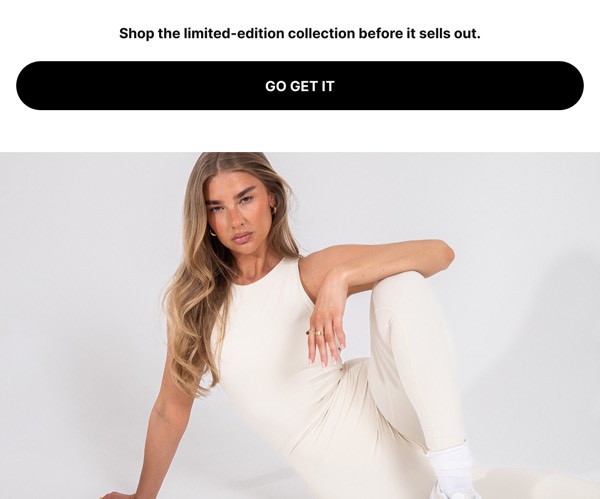
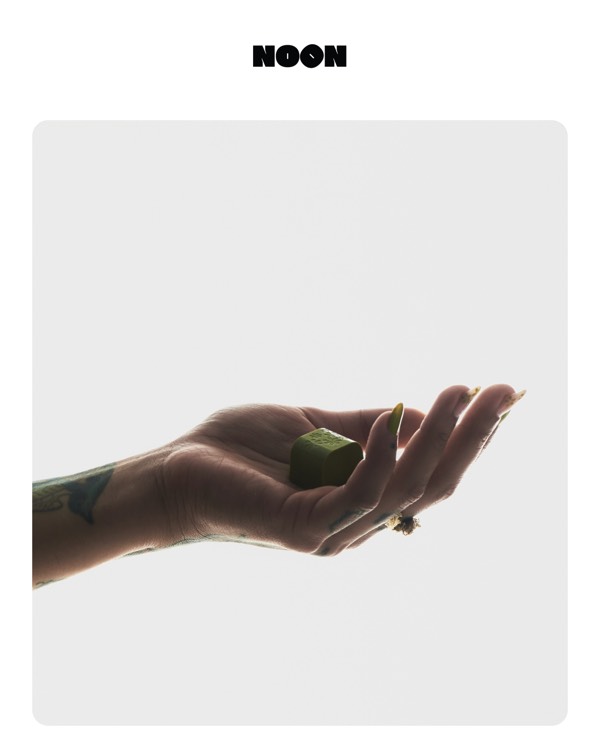
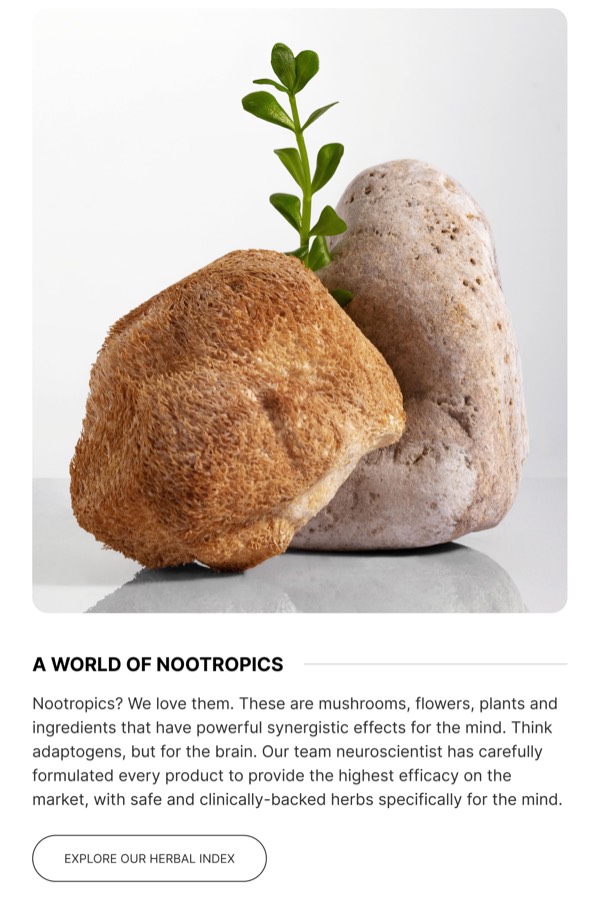
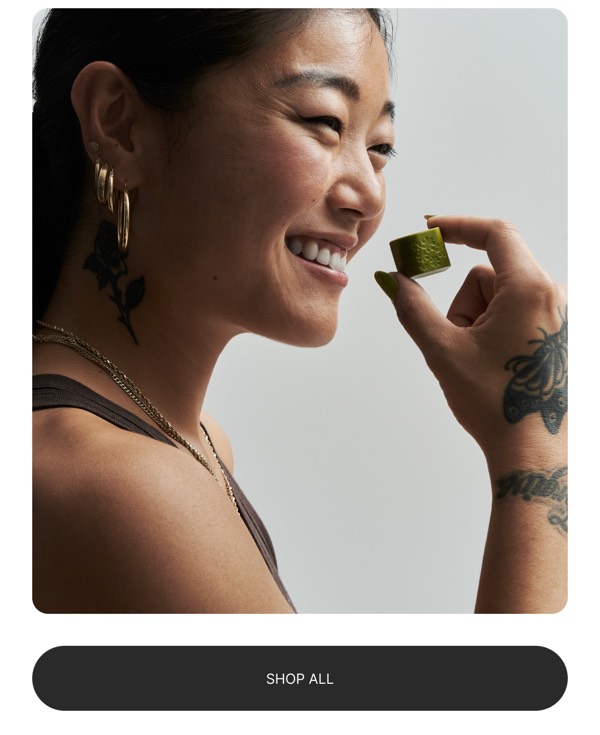
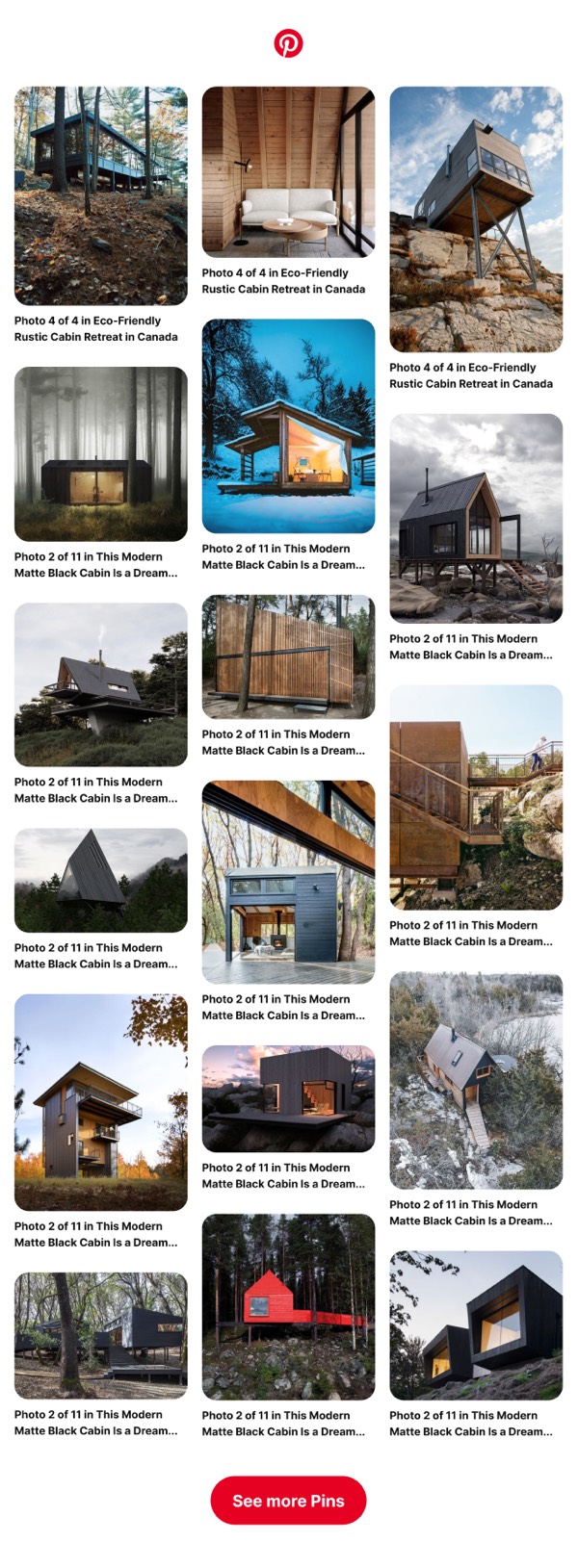
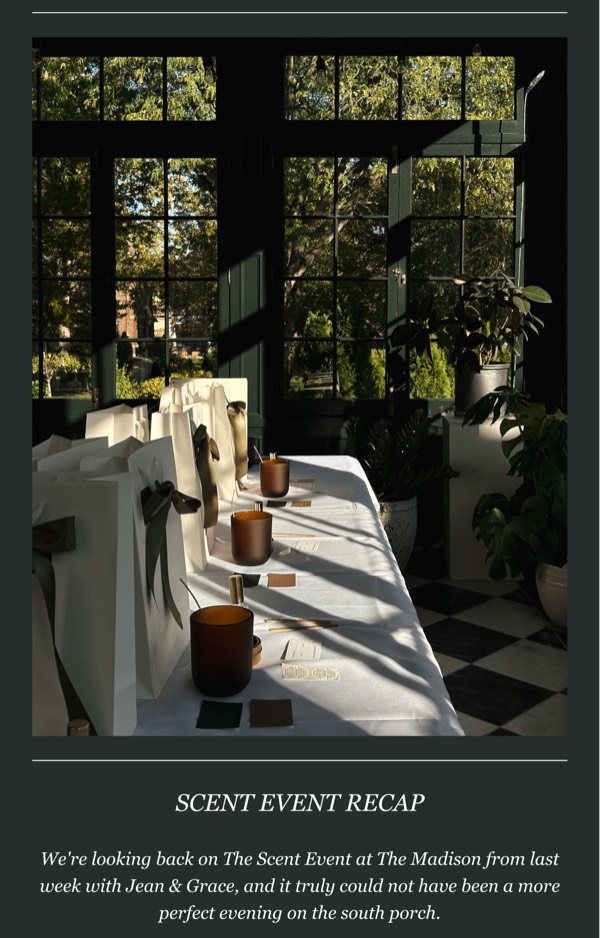
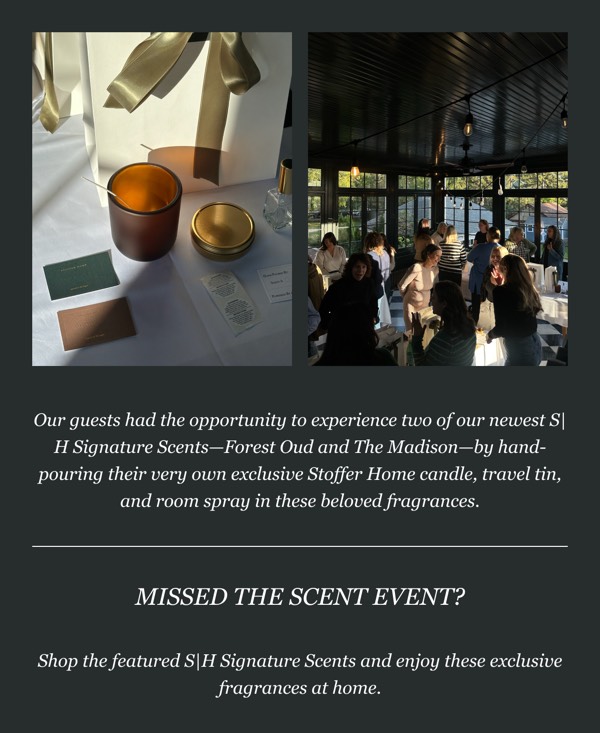
- Desaturated photos that match the color palette
- Soft filters or overlays on images
- Natural, organic photography styles
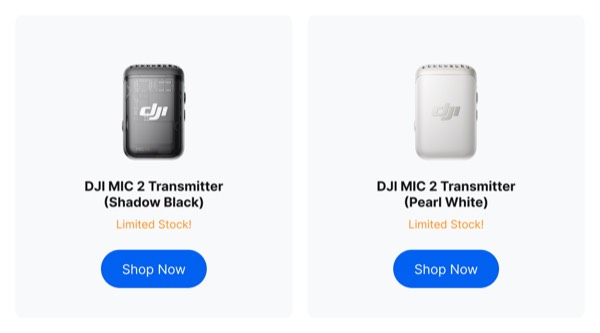
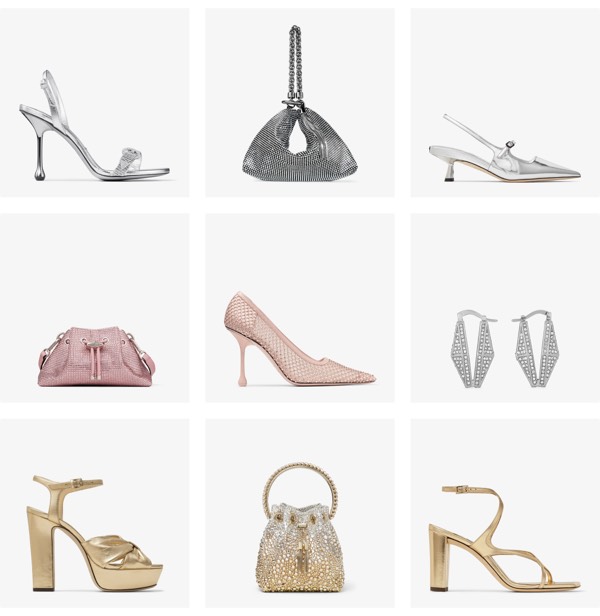
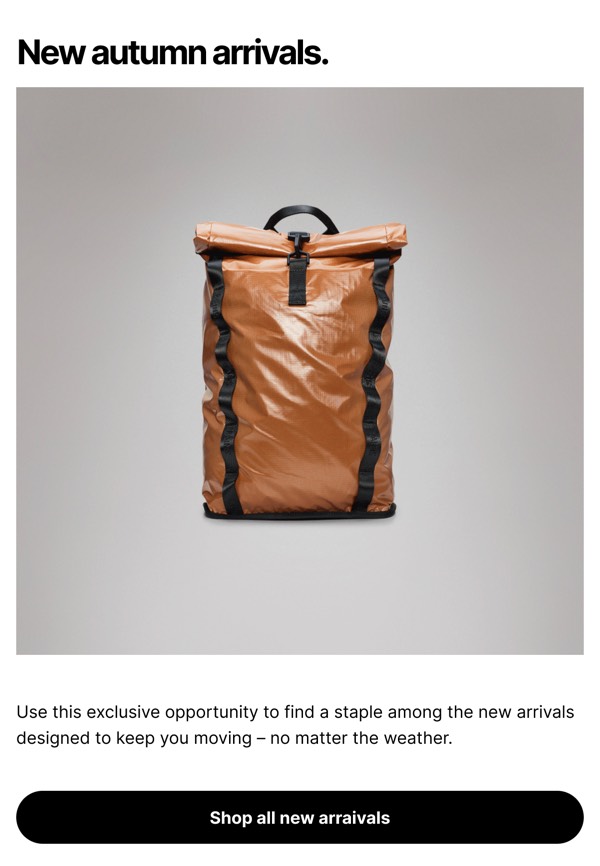
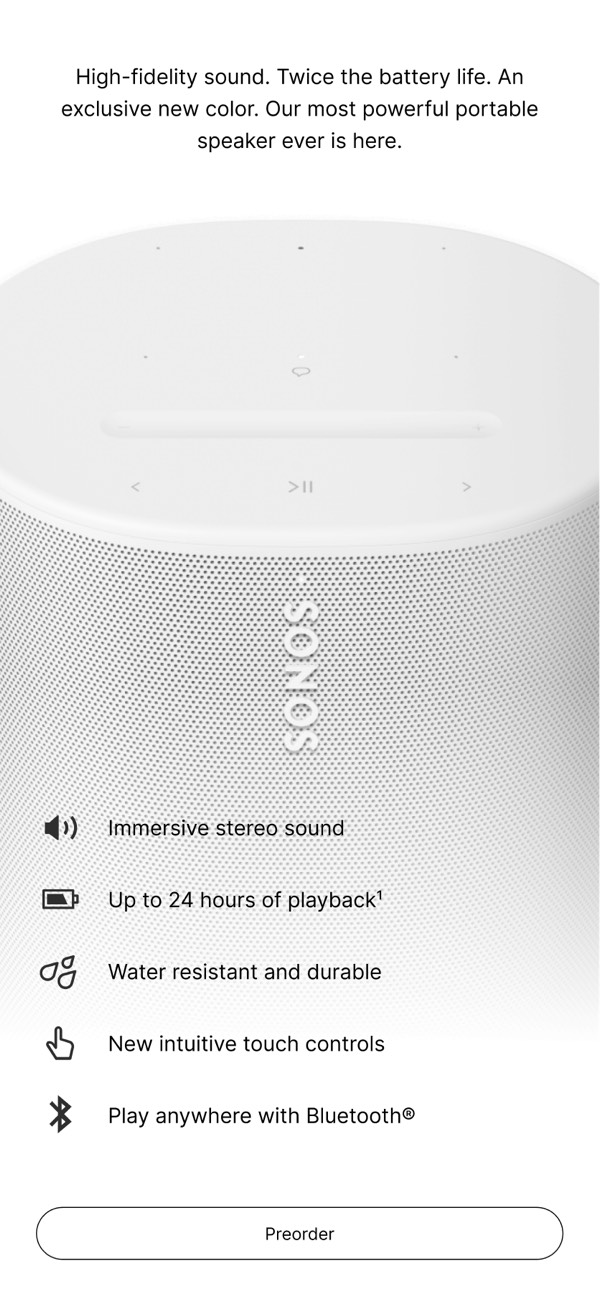
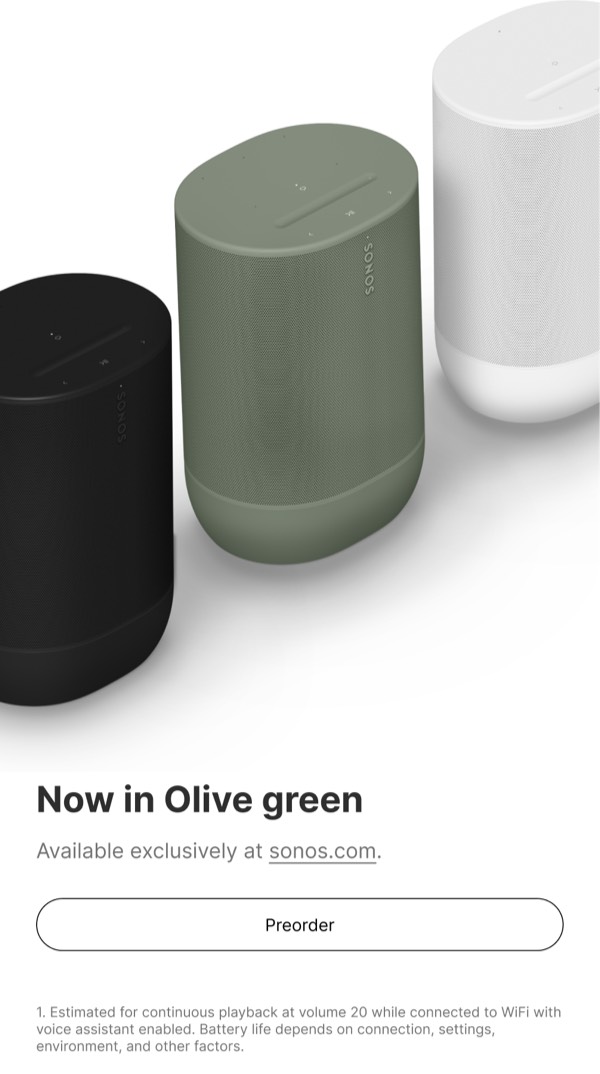
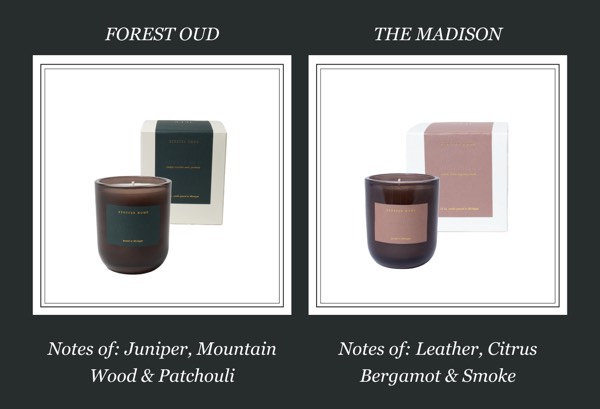
- Minimal and clean product photography
Layout:
- Ample white (or off-white) space
- Asymmetric layouts for visual interest
- Subtle dividers and borders
- Balanced, harmonious composition
Implementation Tips
- Start with neutrals: Build palette around grays and beiges
- Reduce saturation: Take vibrant colors down 30-50%
- Test readability: Ensure sufficient contrast despite soft colors
- Use texture: Subtle textures add richness to muted designs
- Keep typography clean: Let elegant type shine in muted context
- Balance with white space: Muted colors need breathing room
- Add depth subtly: Use soft shadows and layering
- Consider premium materials: Imply quality with paper-like backgrounds
- Test across contexts: Ensure muted tones don’t become muddy